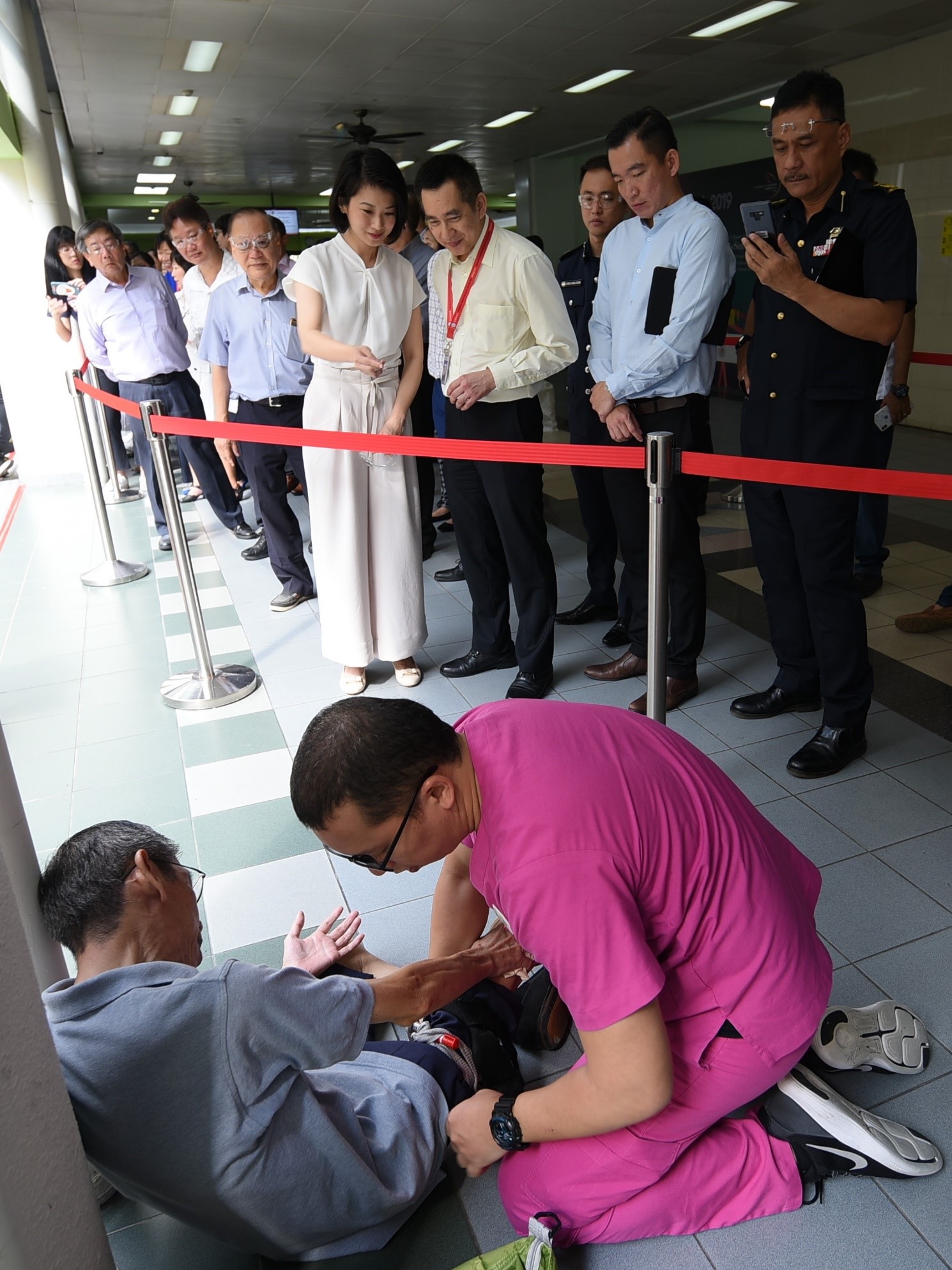



EXERCISE HEARTBEAT – THE ANG MO KIO-THYE HUA KWAN HOSPITAL PARTNERS THE SINGAPORE POLICE FORCE AND SINGAPORE CIVIL DEFENCE FORCE IN COUNTER-TERRORISM EXERCISE
29 June 2019
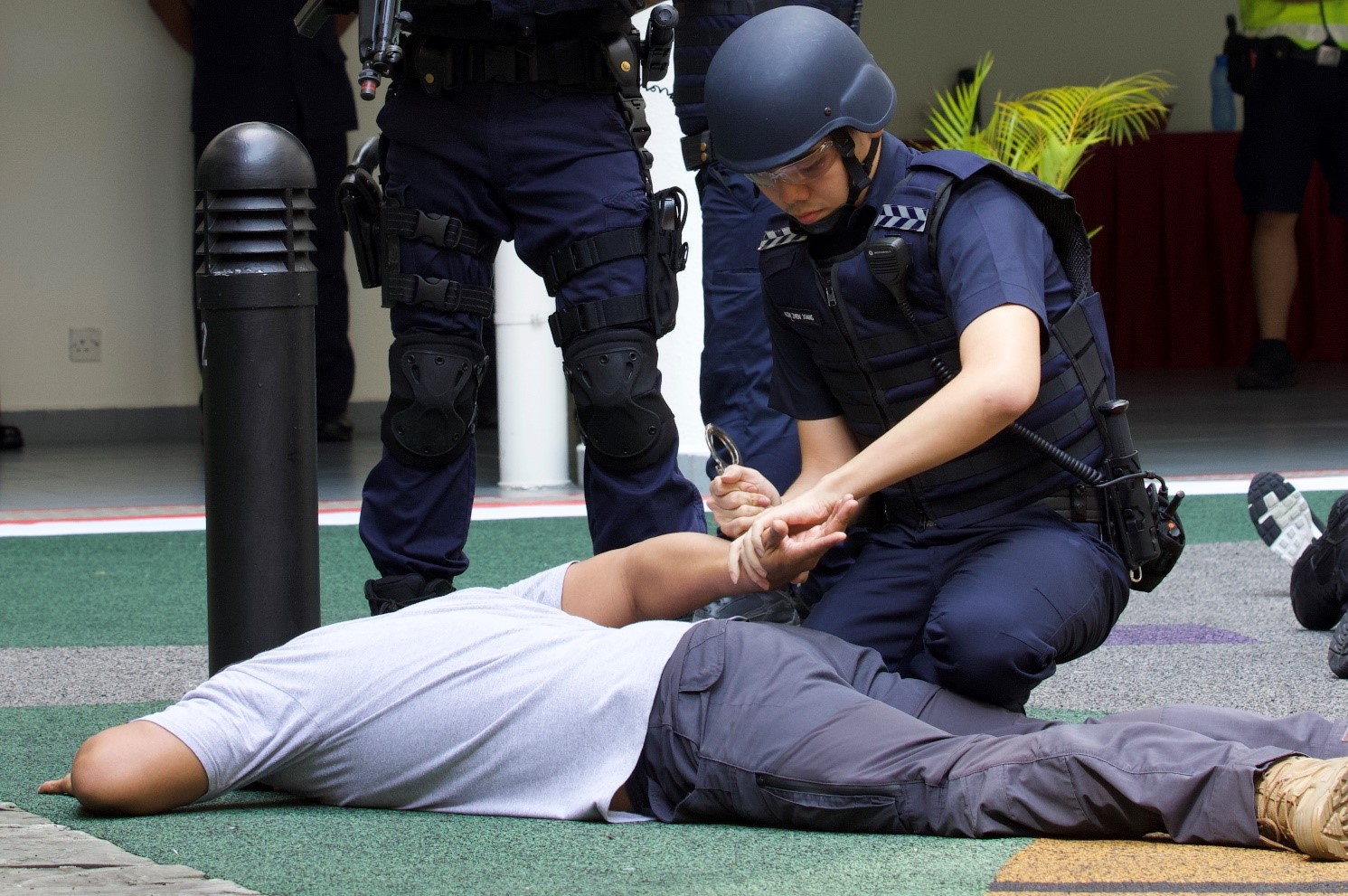
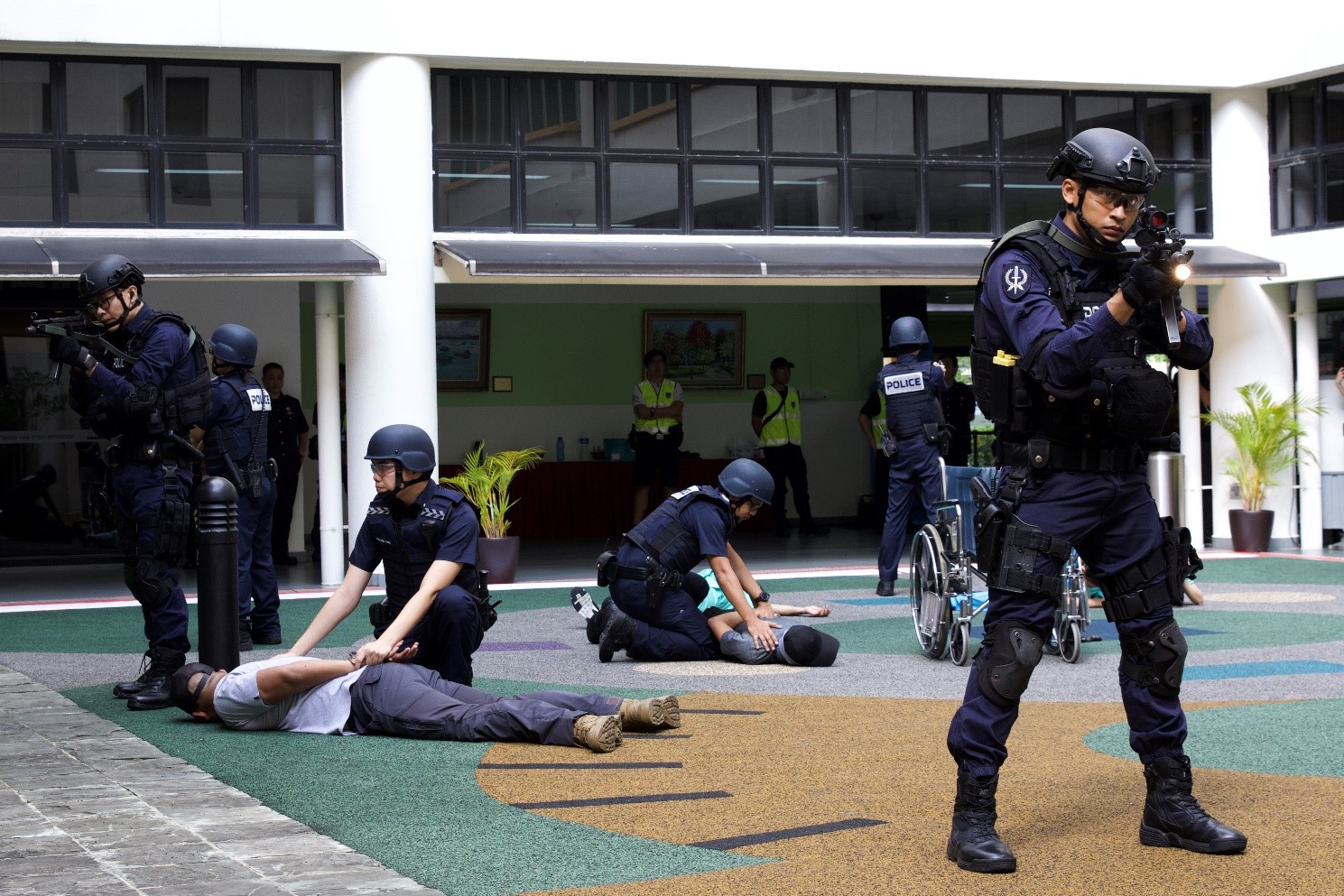
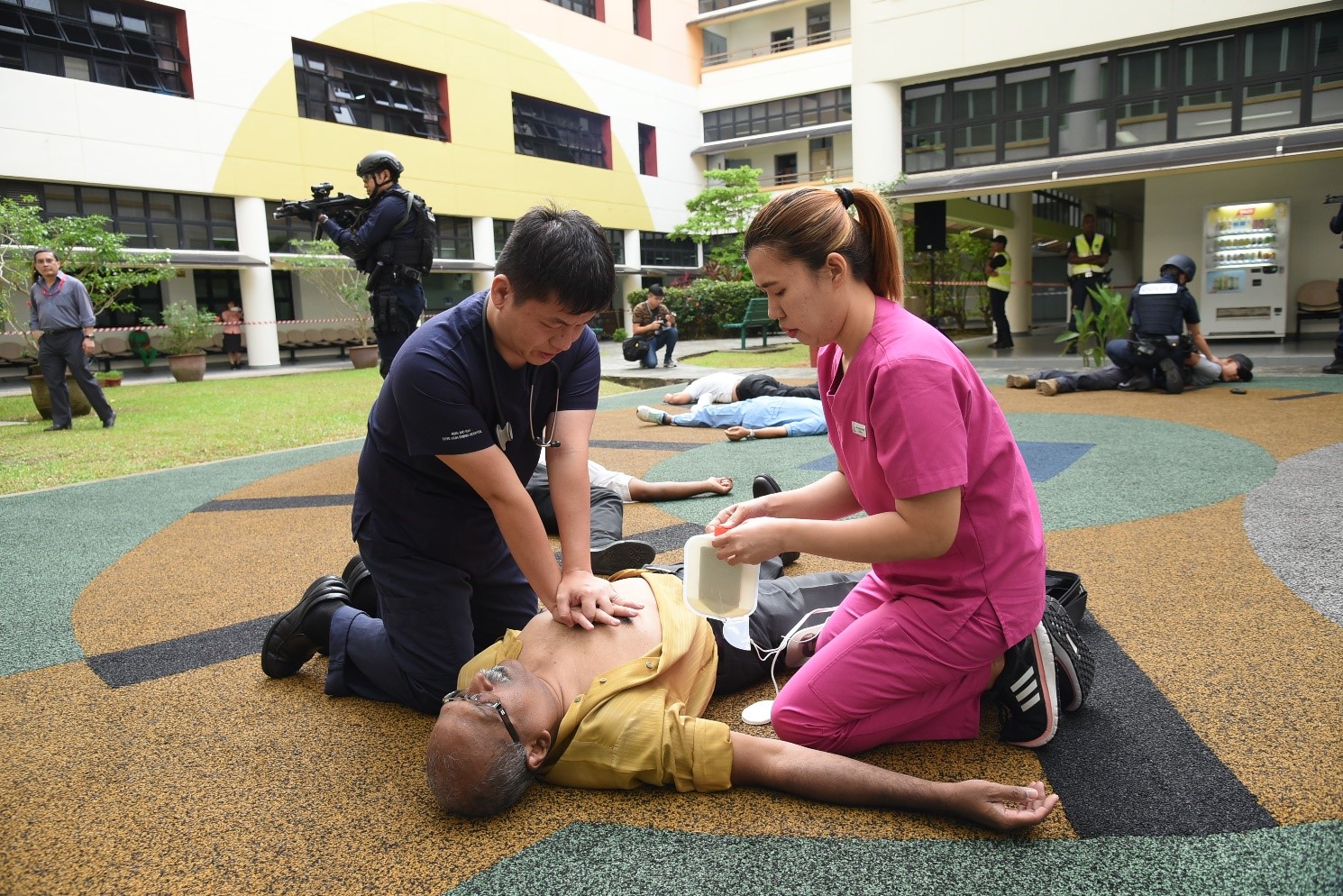
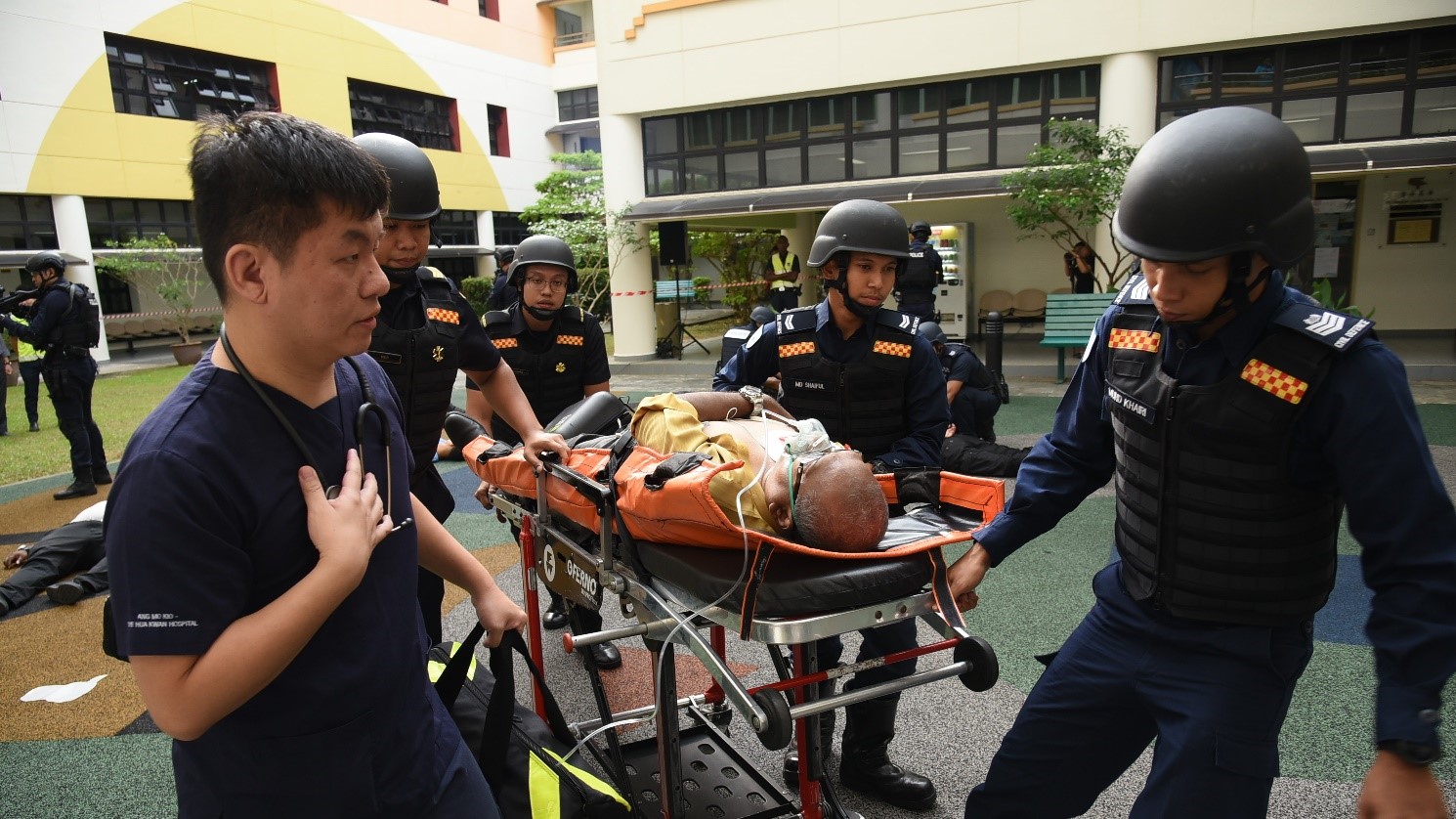
A counter-terrorism exercise codenamed “Heartbeat” was held at Ang Mo Kio-Thye Hua Kwan Hospital on 26 June 2019. The exercise was jointly organised by the Singapore Police Force (SPF) and Thye Hua Kwan Moral Society, supported by the Singapore Civil Defence Force. Ms. Sun Xueling, Senior Parliamentary Secretary, Ministry of Home Affairs and Ministry of National Development observed the exercise.
The exercise at the Ang Mo Kio-Thye Hua Kwan Hospital serves as a timely and solemn reminder in the wake of terror attacks happening around the world. The government has put in tremendous efforts to implement robust measures to deter and prevent terrorism. Individuals in the community also play a key role in identifying risks and exercising vigilance in workplaces, neighbourhoods and common spaces where we live, work and play.
Mr Lee Kim Siang, Chairman of the Thye Hua Kwan Moral Society said, “Every one of us have a stake in protecting our homeland to ensure that Singapore does not fall to the threat of radicalism and extremism. We must be prepared to tackle the uncertainties and the challenges that lay ahead of us in the landscape of unrest from all over the world.”
SPF have been working closely with community partners to enhance their emergency preparedness and security measures against security threats. This is especially important in a hospital setting, where hospital staff play key roles to ensure the safety and security of their patients, who may be unable to run or hide on their own due to existing medical conditions. This is the first time Exercise Heartbeat was held in a community hospital in Singapore, which reflects how community partners had taken ownership of their safety and security.
It is important that organisations have contingency response plans to deal with crisis such as terror attacks. Ang Mo Kio-Thye Hua Kwan Hospital showcased elements of their plans during the exercise, such as the roles that staff play in an armed attack scenario. It would not be possible for staff to execute their response without regular training or drills to familiarise themselves with the plan. Existing guides and advisories such as the contingency planning checklist are available to help organisations on their journey towards emergency preparedness.
To complement organisational efforts, it is also important for individuals to be equipped with lifesaving skills such as CPR, AED and knowing how to use fire extinguishers. These skills will allow them to know what to do in the event of emergencies. Their actions as Community First Responders are critical to emergency response at the onset of incidents.
Community stakeholders may refer to existing resources at the websites listed below for more information: